El Salvador’s $666 million Bitcoin reserve survives IMF review
El Salvador secures $138 million from the IMF after passing recent reviews and reaffirming its commitment to restrict state-funded Bitcoin accumulation, preserving its $666 million crypto reserve.

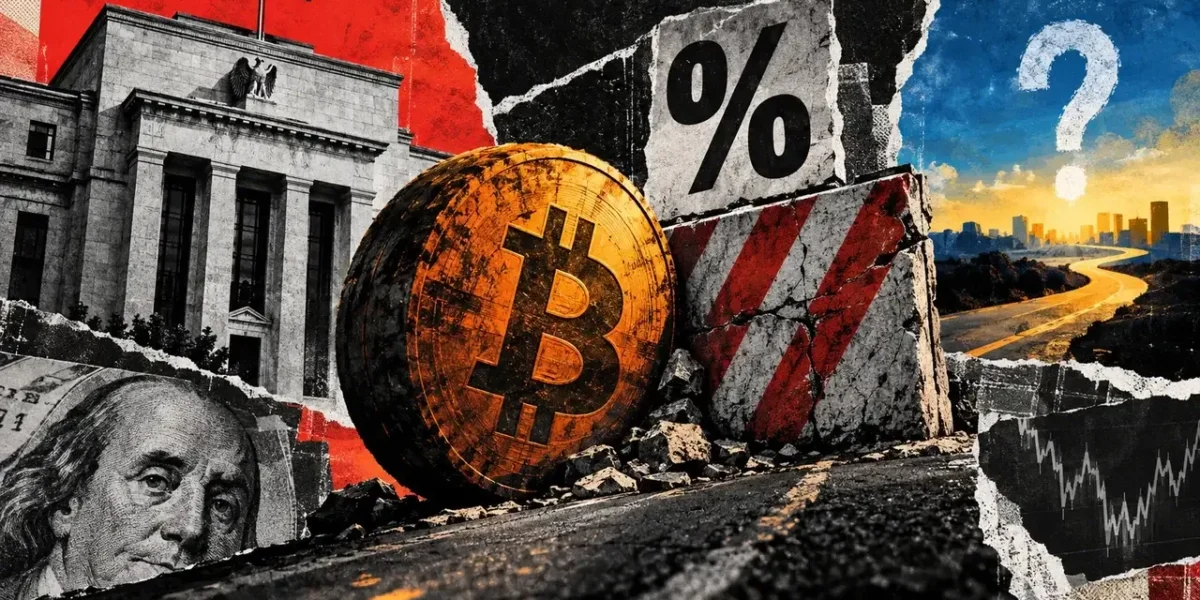
El Salvador has gained access to $138 million from the IMF after reaffirming its promise to restrict additional state Bitcoin accumulation.
On Oct. 1, the International Monetary Fund (IMF) wrapped up the second and third reviews of the nation’s $1.4 billion loan program, unlocking an immediate payout of roughly 101.96 million SDR, or $138 million. Furthermore, the board issued waivers for missed performance criteria regarding Bitcoin accumulation after officials implemented corrective actions and renewed their pledges.
These waivers ensure the continuation of financing despite previous infractions, while maintaining the current program trajectory concerning Bitcoin. According to the IMF, no further accumulation is planned outside of recorded donations, thereby upholding a rule that bars the administration from initiating publicly financed purchases during the program.
At present, El Salvador maintains approximately 7,794.37 Bitcoin, valued at about $666.1 million. This reserve size frequently captures interest because increases spotted in government-linked wallets seem to clash with the terms of the IMF agreement.
Previously, the Fund drew a line between Bitcoin bought using public funds versus coins collected via recorded donations. This differentiation stays vital following the latest evaluation: reserve totals can still grow without indicating that the administration of President Nayib Bukele has resumed buying.
Bitcoin waiver keeps restrictions intact
The Bitcoin concession was part of a wider review wherein the IMF reported that fiscal consolidation is progressing mostly as anticipated by the program’s goals, with liquidity and reserve targets securely achieved. Approved in February 2025, the 40-month Extended Fund Facility aims to bolster fiscal adjustment, reinforce reserves, and advance financial-sector reforms.
Additionally, the Fund noted headway in diminishing the state’s direct participation in cryptocurrency. Although the administration has shifted majority control and ownership of the state-supported Chivo wallet over to a private operator, the IMF stressed that any remaining public-sector exposure ought to be completely eliminated.
Consequently, multiple Bitcoin-related mandates remain unfulfilled even though a fresh financing tranche is being released.
The IMF urges El Salvador to enhance transparency regarding public-sector crypto assets, elevate governance and oversight for digital-asset providers, and adjust its Digital Asset Issuance Law where appropriate. These steps run parallel to the ongoing pledge to steer clear of extra government-funded Bitcoin purchases.
These limitations restrict the administration’s ability to leverage its balance sheet for growing the Bitcoin reserve while staying compliant with the IMF program, even though climbing BTC values boost the worth of the assets it currently manages.
As a result, upcoming reviews will depend partly on El Salvador’s capacity to verify how its Bitcoin inventory fluctuates while wrapping up the remaining Chivo divestment and transparency updates. Any unexplained growth could once again compel the government to request waivers prior to obtaining additional program funds.
Frequently Asked Questions
How much money did El Salvador secure from the IMF?
El Salvador secured access to $138 million (equivalent to SDR 101.96 million) following the completion of the IMF’s second and third reviews.
How much Bitcoin does El Salvador currently hold?
The country holds about 7,794.37 Bitcoin, valued at roughly $666.1 million.
Is El Salvador allowed to buy more Bitcoin under the IMF program?
No, the agreement includes a constraint that prevents the government from publicly funding further Bitcoin purchases, limiting future increases strictly to documented donations.
What happened to the Chivo wallet?
The government has transferred majority ownership and control of the Chivo wallet to a private operator, though the IMF expects all remaining public-sector exposure to be fully unwound.