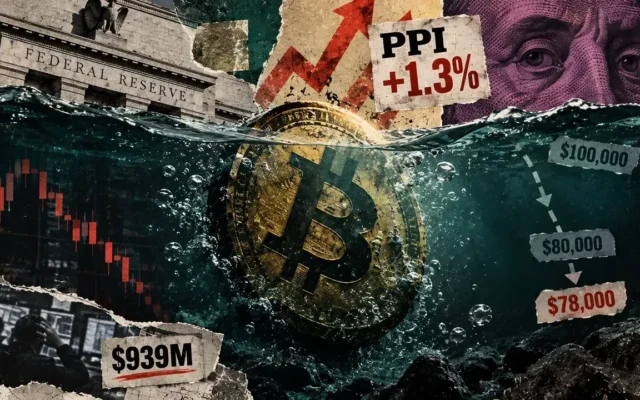
Bitcoin’s $85,000 test comes as Wall Street gets two different inflation stories
अगस्त में पहले ही व्यवधान महसूस किया गया था; गुरुवार का सितंबर का फैक्ट्री सर्वे और शुक्रवार का पेroll डेटा इसके बाद होने वाली स्थिति का परीक्षण करता है। द पोस्ट Bitcoin’s $85,000 test comes as Wall Street gets two different inflation stories सबसे पहले CryptoSlate पर प्रकाशित हुआ।

28 सितंबर को, बिटकॉइन ने $82,563 का इंट्राडे लो छुआ, जो पिछले सप्ताह Glassnode द्वारा हाइलाइट किए गए लॉन्ग-टर्म धारकों से संबंधित खरीद कीमतों के एक क्लस्टर से थोड़ा नीचे गिर गया।
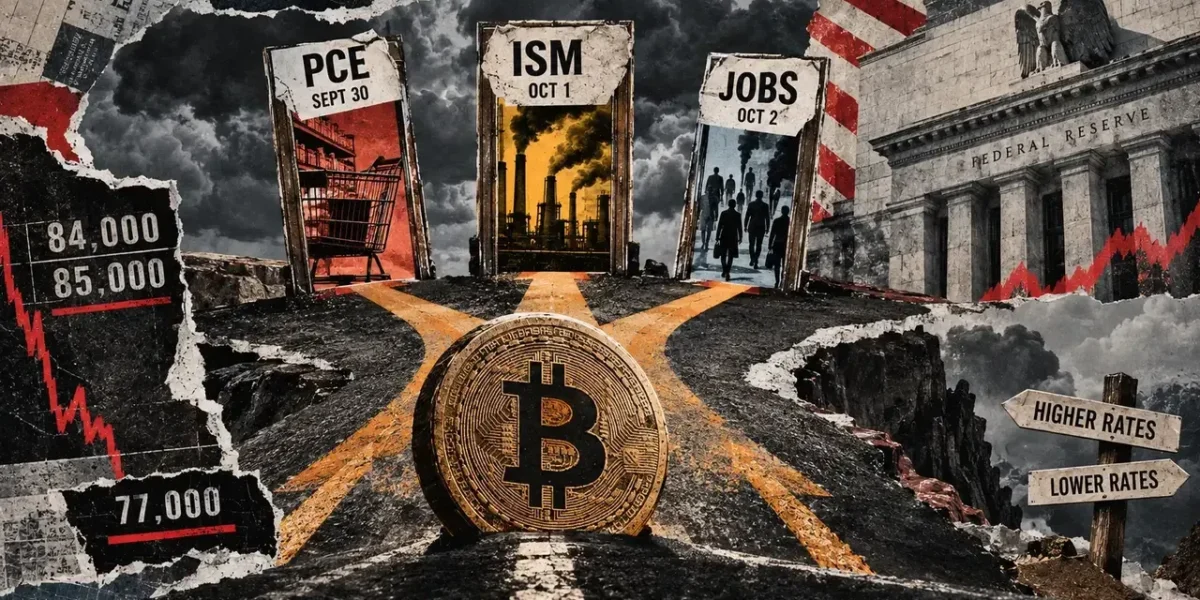
आगामी तीन अमेरिकी डेटा रिलीज़ के कारण ब्याज दर की उम्मीदों को अब श्रम बाजार और मुद्रास्फीति के संबंध में अलग-अलग संकेत मिल रहे हैं। अगस्त के लिए व्यक्तिगत आय और व्यय रिपोर्ट 30 सितंबर को निर्धारित है, सितंबर के लिए ISM विनिर्माण सर्वेक्षण 1 अक्टूबर को आता है, और सितंबर की रोजगार रिपोर्ट इसके बाद 2 अक्टूबर को आएगी।
व्यापारियों को प्रत्येक आने والی रिपोर्ट के साथ फेडरल रिजर्व पर अपने दृष्टिकोण को समायोजित करने की आवश्यकता हो सकती है, भले ही एक आश्वस्त करने वाली उपभोक्ता मुद्रास्फीति मीट्रिक और फैक्ट्री इनपुट लागतों का कम अनुकूल स्नैपशॉट विभिन्न आर्थिक कारकों को मापते हों।
Glassnode के 23 सितंबर के विश्लेषण के अनुसार, लॉन्ग-टर्म होल्डर सप्लाई का एक बड़ा क्लस्टर $84,000 और $85,000 के बीच स्थित है। यह सीमा दर्शाती है कि निवेशकों के एक बड़े समूह ने अपने सिक्के कहाँ हासिल किए, जिससे सप्ताह के डेटा के जवाब میں बिटकॉइन की इसके ऊपर वापस जाने की क्षमता एक प्रमुख संकेतक बन जाती है।
Glassnode द्वारा नोट किए गए अतिरिक्त संदर्भ बिंदुओं में $77,000 के करीब एक गहरा ट्रू मार्केट मीन और $96,700 के आसपास एक ओवरहेड मीन MVRV मार्कर शामिल हैं।
Glassnode के 21 सितंबर के मार्केट पल्स के डेटा ने शुद्ध हाजिर खरीदार की खरीद (net spot taker buying), बढ़ते वॉल्यूम और उच्च फ्यूचर्स लीवरेज की ओर इशारा किया, साथ ही ETFs से साप्ताहिक बहिर्वाह (outflows) भी देखा गया। फ्यूचर्स में केवल शॉर्ट-कवरिंग पर निर्भर रहने के बजाय ताजा हाजिर खरीद, मजबूत वॉल्यूम और ETF मांग द्वारा समर्थित होने पर मूल्य रिबाउंड अधिक महत्व रखेगा।
एक गायब महीना बिटकॉइन को कैसे प्रभावित कर सकता है
मध्य पूर्व से सीमित निर्यात ने ऊर्जा सूचना प्रशासन (Energy Information Administration) को यह अनुमान लगाने के लिए प्रेरित किया कि अगस्त में ब्रेंट स्पॉट क्रूड औसतन $91 प्रति बैरल रहा, जो जुलाई से $7 की वृद्धि को दर्शाता है।
इसके अलावा, अंतर्राष्ट्रीय ऊर्जा एजेंसी (International Energy Agency) ने अगस्त में खाड़ी के डीजल और गैसऑयल निर्यात पर महत्वपूर्ण प्रतिबंधों की सूचना दी, साथ ही 9 सितंबर तक भौतिक कच्चे तेल के बेंचमार्क में एक और वृद्धि हुई।
सितंबर के अंत में ईंधन, माल भाड़े और कारखाने की लागत में हुए विकास को 30 सितंबर की PCE रिपोर्ट में शामिल नहीं किया जाएगा। अंतर्राष्ट्रीय समुद्री संगठन द्वारा दर्ज 21 और 23 सितंबर को होर्मुज के अंदर और आसपास दर्ज किए गए जहाजों के नुकसान से संकेत मिलता है कि शिपिंग जोखिम PCE संदर्भ अवधि से आगे भी जारी रहे।
क्या निवेशकों को यह अनुमान लगाना चाहिए कि उच्च परिचालन खर्च बढ़े हुए मुद्रास्फीति को बनाए रखेंगे, तो फेड नीति की ट्रेजरी यील्ड और अपेक्षित प्रक्षेपवक्र (trajectory) किसी भी बाद के उपभोक्ता मुद्रास्फीति के आंकड़ों से पहले चढ़ सकते हैं जो उन लागतों को दर्शाते हैं। अगस्त PCE के लिए एक प्रारंभिक नरम रीडिंग बाद के रुझानों को हल किए बिना उस दबाव को अस्थायी रूप से कम कर सकती है।
The August ISM report registered a Prices Index of 71.1 and Supplier Deliveries at 59.3, indicating slowed delivery times. Rising prices were noted for diesel fuel and freight, while survey participants specifically mentioned the Hormuz conflict and energy markets.
बढ़ी हुई कीमतों को दर्शाने वाले सितंबर के नए रीडिंग के साथ-साथ धीमी डिलीवरी या उच्च लागत के संबंध में टिप्पणी निर्माताओं के लिए नए वित्तीय तनाव का इशारा करेगी। इस बीच, रोजगार और नए आदेशों पर डेटा यह निर्धारित करने में मदद करेगा कि बढ़ती लागत के बीच मांग स्थिर रहती है या नहीं।
श्रम बाजार की एक प्रारंभिक जांच 29 अगस्त की JOLTS रिलीज़ से मिलती है, जबकि 2 अक्टूबर की सितंबर की पेरोल रिपोर्ट नीतिगत निर्णयों के संबंध में आर्थिक विकास का प्रत्यक्ष मूल्यांकन प्रदान करेगी।
16 सितंबर को, फेडरल रिजर्व ने अपनी लक्ष्य सीमा को 3.75%-4% तक समायोजित किया, यह noting करते हुए कि मुद्रास्फीति उच्च बनी हुई है जबकि रोजगार वृद्धि कार्यबल विस्तार से मेल खाती है। रोजगार में मध्यम नरमी ब्याज दरों पर दबाव को कम कर सकती है, जबकि एक पर्याप्त चूक आर्थिक विकास पर चिंता पैदा कर सकती है।
एक नरम अगस्त PCE और उसके बाद उच्च सितंबर ISM मूल्य रीडिंग वाला अनुक्रम सप्ताह का सबसे revealing परिदृश्य साबित होने की संभावना है। यदि दर की उम्मीदें और ट्रेजरी यील्ड रिबाउंड करती हैं, तो बिटकॉइन में कोई भी प्रारंभिक राहत रैली उलट सकती है।
तीन वैकल्पिक परिदृश्य इस ढांचे के लिए आगे के परीक्षण प्रस्तुत करते हैं:
- विकास के डर के बिना राहत (Easing without a growth scare): यदि PCE नरम रहता है, ISM लागत दबाव आगे तेज नहीं होता है, और रोजगार वृद्धि मध्यम रूप से ठंडी होती है, तो यील्ड में गिरावट आ सकती है। Glassnode द्वारा पहचाने गए $84,000 से $85,000 धारक क्षेत्र को पुनः प्राप्त करना अधिक महत्वपूर्ण होगा यदि इसे हाजिर बाजार की मांग का समर्थन प्राप्त हो।
- निरंतर मुद्रास्फीति (Persistent inflation): मजबूत रोजगार के साथ जुड़ी मजबूत मूल्य निर्धारण मेट्रिक्स ब्याज दरों पर दबाव बनाए रख सकती हैं। लॉन्ग-टर्म होल्डर क्लस्टर को पार करने में विफलता Glassnode के $77,000 के स्तर को फोकस में लाएगी, हालांकि एक गारंटीकृत लक्ष्य के रूप में नहीं।
- नौकरियों में गिरावट (Jobs break): पेरोल रिपोर्टों में एक गंभीर मंदी जोखिम संपत्तियों से विनिवेश करके विकास चिंताओं पर प्रतिक्रिया देने वाले निवेशकों की स्थिति में बिटकॉइन को नकारात्मक रूप से प्रभावित करते हुए यील्ड को कम कर सकती है।
अंततः, बिटकॉइन का मुख्य परीक्षण इस बात पर निर्भर करता है कि क्या आने वाली आर्थिक रिपोर्टें ब्याज दर के अनुमानों और ट्रेजरी यील्ड को बदलती हैं, और क्या हाजिर खरीदार Glassnode के ऐतिहासिक धारक-लागत क्षेत्रों के माध्यम से बाद की कीमत की कार्रवाई को बनाए रख सकते हैं।
अक्सर पूछे जाने वाले प्रश्न
01बिटकॉइन की $84,000 से $85,000 मूल्य सीमा का क्या महत्व है?
यह क्षेत्र आपूर्ति के एक बड़े संकेंद्रण को चिह्नित करता है जहाँ दीर्घकालिक धारकों ने अपने सिक्के प्राप्त किए, जिससे बदलती आर्थिक डेटा के बीच बिटकॉइन के लिए पुनः प्राप्त करने के लिए यह एक महत्वपूर्ण तकनीकी स्तर बन जाता है।
02कौन सी आर्थिक रिपोर्टें बाजार की उम्मीदों को चला रही हैं?
प्रमुख रिलीज में अगस्त की व्यक्तिगत आय और व्यय (PCE) रिपोर्ट, सितंबर का ISM विनिर्माण सर्वेक्षण और सितंबर की रोजगार रिपोर्ट शामिल हैं।
03बिटकॉइन के लिए Glassnode के अन्य प्रमुख संदर्भ स्तर क्या हैं?
Glassnode ने $77,000 के करीब एक गहरे ट्रू मार्केट मीन और $96,700 के आसपास एक ओवरहेड मीन MVRV संदर्भ की पहचान की।