50 मिलियन डॉलर का मनी लॉन्ड्रिंग रूट ब्लॉक होने के बाद बिटगेट के हैकर्स ने Zcash का रुख किया
क्रॉस-चेन प्रोटोकॉल द्वारा लाखों के अवैध फंड को ब्लॉक किए जाने के बाद, बिटगेट सुरक्षा उल्लंघन के पीछे के हैकर्स चुराए गए क्रिप्टोकरेंसी को लॉन्ड्र करने के लिए Zcash की गोपनीयता सुविधाओं और THORChain का उपयोग कर रहे हैं, जबकि बिटगेट एक्सप्लॉइट के बाद उपयोगकर्ताओं द्वारा भारी निकासी को संभाल रहा है।

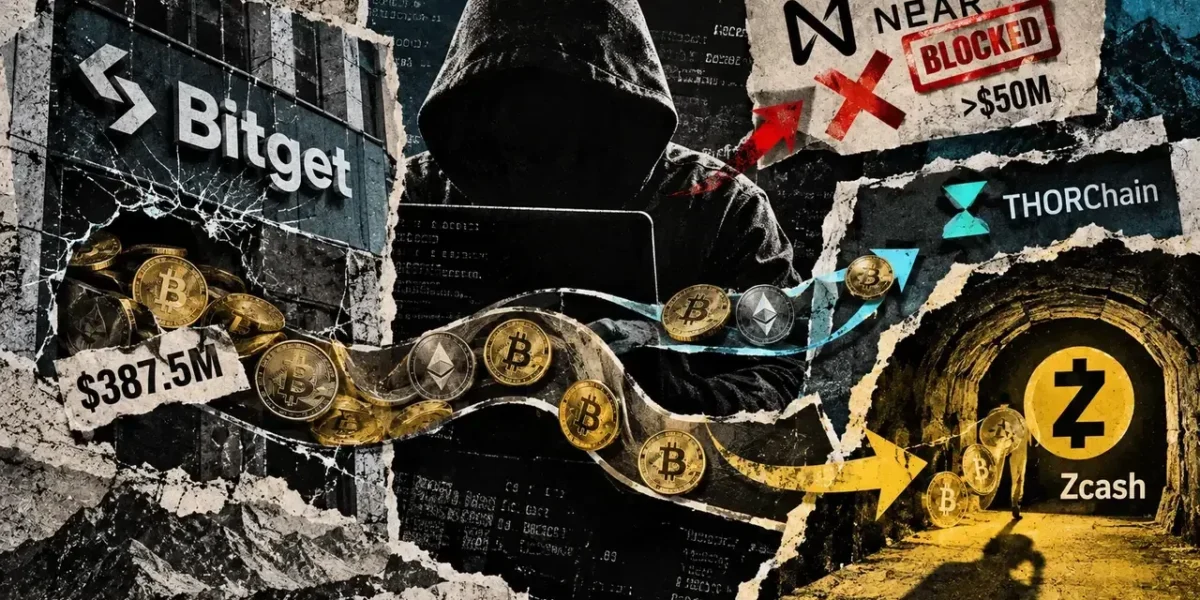
पारंपरिक क्रिप्टो एस्केप रूट्स से बढ़ती रुकावट के बाद, $387.5 मिलियन के बिटगेट उल्लंघन के लिए जिम्मेदार साइबर अपराधी चुराए गए फंड के स्रोत को छिपाने के लिए Zcash की गोपनीयता सुविधाओं का लाभ उठा रहे हैं।
जांचकर्ता ZachXBT द्वारा उजागर किए गए ऑन-चेन विश्लेषण से पता चलता है कि बुधवार को लगभग 2,746 ZEC—जिसकी कीमत लगभग $3.9 मिलियन है—को तीन अलग-अलग लेनदेन के माध्यम से Zcash के Ironwood शील्डेड पूल में जमा किया गया था। यह राशि मंच से चुराए गए 18,917 ZEC का लगभग 15% है।
ये ट्रांसफर परिसंपत्ति पुनर्प्राप्ति के प्रयासों को जटिल बनाते हैं क्योंकि Ironwood के माध्यम से संसाधित लेनदेन प्रेषक की पहचान, प्राप्तकर्ता के पते और ट्रांसफर की गई राशि को अस्पष्ट कर देते हैं, जिससे सार्वजनिक लेनदेन का वह रास्ता टूट जाता है जिसका उपयोग आमतौर पर जांचकर्ता चुराए गए फंड का पता लगाने के लिए करते हैं। हालांकि पूल में जमा राशि दिखाई देती है, लेकिन इसके बाद के किसी भी मूवमेंट को उसके स्रोत से वापस जोड़ना काफी कठिन हो जाता है।
Zcash के गोपनीयता बुनियादी ढांचे की ओर यह रुझान तब आया है जब अपराधियों ने क्रॉस-चेन सेवाओं के माध्यम से काफी बड़ी मात्रा में फंड भेजने का प्रयास किया, जिनमें से कई ने लेनदेन को ब्लॉक करना शुरू कर दिया है।
NEAR Intents के जनरल मैनेजर एलेक्स शेव्चेंको के अनुसार, बिटगेट हैक से जुड़े वॉलेट्स ने प्रोटोकॉल के माध्यम से $50 मिलियन से अधिक भेजने की कोशिश की। SHIELD जोखिम प्रणाली ने निष्पादन से पहले इनमें से अधिकांश लेनदेन को रोक दिया और अस्वीकार कर दिया, जबकि स्वैप शुरू होने के बाद लगभग $503,000 को फ्रीज कर दिया गया, और लगभग $166,000 सफलतापूर्वक क्लियर हो गए।
ब्लॉक किए गए फंड हैकर्स के नियंत्रण में रहे, जिससे वे वैकल्पिक रास्ते तलाशने के लिए स्वतंत्र हो गए। हाल के Zcash लेनदेन यह दर्शाते हैं कि जैसे-जैसे क्रिप्टो इकोसिस्टम के विभिन्न क्षेत्रों में अवैध फंड को कड़ी जांच के उपायों का सामना करना पड़ रहा है, यह गतिशीलता कैसे विकसित हो रही है।
जैसे-जैसे हैकर्स दूसरे रास्ते तलाश रहे हैं, THORChain का वॉल्यूम बढ़ रहा है
एक विकल्प THORChain रहा है, जो एक अनपरमिशनलेस क्रॉस-चेन एक्सचेंज है जिसने सुरक्षा उल्लंघन से जुड़े पतों को ब्लैकलिस्ट करने के बिटगेट के अनुरोध को अस्वीकार कर दिया है।
बिटगेट से जुड़े वॉलेट्स ने चुराई गई क्रिप्टो संपत्तियों को मूल बिटकॉइन में बदलने के लिए बार-बार इस प्रोटोकॉल का उपयोग किया है। Bitquery का अनुमान है कि 29 सितंबर तक लगभग 29,088 ETH—जिसकी समीक्षा के समय कीमत लगभग $79 मिलियन थी—को THORChain में भेजा गया और बिटकॉइन के लिए एक्सचेंज किया गया।
परिणामस्वरूप, CryptoSlate द्वारा मूल्यांकित DeFiLlama डेटा के अनुसार, हमले के तुरंत बाद के दिनों में विकेंद्रीकृत एक्सचेंज पर ट्रेडिंग गतिविधि में भारी उछाल आया है। THORChain ने हमले से पहले के सप्ताह के दौरान लगभग $146 मिलियन की तुलना में, हमले के बाद के दिनों में विकेंद्रीकृत एक्सचेंज वॉल्यूम में $1.5 बिलियन से अधिक का प्रसंस्करण किया।
यह विस्तार हैकर से जुड़े प्रवाह के साथ मेल खाता है, हालांकि कुल THORChain वॉल्यूम को विशेष रूप से हमलावरों के लिए जिम्मेदार नहीं ठहराया जा सकता है।
NEAR के विपरीत, THORChain द्वारा लिया गया रुख इस बात को रेखांकित करता है कि जब विकेंद्रीकृत नेटवर्क को पहचानी गई चुराई हुई संपत्तियों का सामना करना पड़ता है, तो उन्हें कैसे प्रतिक्रिया देनी चाहिए, इस पर मतभेद बढ़ रहा है।
NEAR का तर्क रहा है कि अनुमति रहित (permissionless) पहुंच का मतलब यह नहीं है कि इसके तरलता प्रदाता ज्ञात अवैध लेनदेन को संसाधित करने के लिए बाध्य हैं। इसके विपरीत, THORChain ने तर्क दिया है कि चुनिंदा सेंसरशिप इसके नेटवर्क के मूल सिद्धांतों से समझौता करेगी।
यह असहमति बिटगेट के लिए मूर्त परिणाम पैदा करती है। किसी एक प्लेटफॉर्म को ब्लॉक करने से स्व-हिरासत वाले वॉलेट (self-custodied wallets) में रखे फंड फ्रीज नहीं होते हैं; बल्कि, यह perpetrator (अपराधी) को वैकल्पिक तरलता स्रोतों की तलाश करने के लिए मजबूर करता है, जिससे संभावित रूप से संपत्ति उन अनुमत-रहित एक्सचेंजों या गोपनीयता उपकरणों की ओर निर्देशित होती है जो जांचकर्ताओं को कम हस्तक्षेप के रास्ते प्रदान करते हैं।
संचालन फिर से शुरू होने पर बिटगेट ने निकासी की भीड़ को संभाला
इस बीच, चार दिनों के निकासी स्थगन के बाद जैसे ही बिटगेट ने फंड तक पहुंच को धीरे-धीरे बहाल किया, उसे अपने यूजर बेस से एक अलग चुनौती का सामना करना पड़ा।
CryptoSlate द्वारा समीक्षित DeFiLlama डेटा इंगित करता है कि निकासी चैनल फिर से खुलने के बाद से ट्रैक किए गए बिटगेट वॉलेट से $700 मिलियन से अधिक की निकासी हुई है, जो प्लेटफॉर्म से संपत्ति को बाहर ले जाने की तत्काल उपयोगकर्ता मांग को इंगित करता है। चूँकि DeFiLlama ज्ञात एक्सचेंज वॉलेट को ट्रैक करता है, यह मीट्रिक बिटगेट के संपूर्ण आंतरिक निकासी बहीखाते के बजाय ऑन-चेन मूवमेंट को दर्शाता है।
प्रारंभिक लहर में बिटकॉइन की हिस्सेदारी एक प्रमुख थी। बिटकॉइन निकासी को फिर से खोलने के तुरंत बाद, बिटगेट ने 28 सितंबर तक कुल 4,098 BTC वाले 9,585 निकासी अनुरोधों को संसाधित करने की सूचना दी।
जैसे-जैसे एक्सचेंज ने अन्य डिजिटल संपत्तियों के लिए समर्थन को क्रमिक रूप से बहाल किया, वैसे-वैसे बहिर्प्रवाह जारी रहा। रविवार को बिटकॉइन की निकासी फिर से शुरू हुई, जिसके बाद एथेरियम और उसके बाद एथेरियम, BNB चेन, सोलाना और ट्रॉन नेटवर्क पर USDT आया। बिटगेट शुक्रवार को फिएट और पीयर-टू-पीयर सेवाओं के साथ शेष क्रिप्टोकरेंसी के लिए निकासी फिर से शुरू करने का इरादा रखता है।
30 सितंबर को, बिटगेट की सीईओ ग्रेसी चेन ने कहा कि एक्सचेंज के प्रोटेक्शन फंड को $300 मिलियन से अधिक करने के लिए भर दिया गया है, जिससे उल्लंघन के बाद रिजर्व का उपयोग करने के बाद कंपनी द्वारा हिट करने का वादा किया गया लक्ष्य फिर से स्थापित हो गया है।
उन्होंने पुष्टि की कि BTC, ETH और USDT की निकासी सामान्य रूप से काम कर रही थी और संचालन को “धीरे-धीरे सामान्य स्थिति में वापस” के रूप में वर्णित किया।
एक्सचेंज का सबसे हालिया प्रूफ-ऑफ-रिजर्व ऑडिट निकासी को अवशोषित करने की इसकी क्षमता का एक और संकेतक प्रदान करता है। बिटगेट ने 29 सितंबर तक 19 कवर की गई संपत्तियों में 131% के समग्र रिजर्व अनुपात का खुलासा किया, जिसका अर्थ है कि इसके खुलासे में विस्तृत संपत्तियों ने संबंधित उपयोगकर्ता शेष राशि को 31% तक पार कर लिया।
जब बिटगेट शुक्रवार को शेष निकासी प्रतिबंधों को हटाएगा तो उन मेट्रिक्स का एक व्यापक तनाव परीक्षण किया जाएगा।
अक्सर पूछे जाने वाले प्रश्न
01बिटगेट उल्लंघन क्या है?
बिटगेट उल्लंघन एक्सचेंज से $387.5 मिलियन की क्रिप्टो संपत्ति की चोरी से जुड़ी एक बड़ी सुरक्षा घटना को संदर्भित करता है।
02हैकर्स चुराए गए फंड को कैसे लॉन्ड्र कर रहे हैं?
हमलावरों ने THORChain और NEAR Intents जैसी क्रॉस-चेन सेवाओं के माध्यम से फंड भेजने का प्रयास किया है, और हाल ही में लेनदेन के रास्ते को छिपाने के लिए Zcash के गोपनीयता-केंद्रित Ironwood शील्डेड पूल का रुख किया है।
03Zcash का Ironwood पूल क्या है?
Ironwood एक Zcash शील्डेड पूल है जो प्रेषकों, प्राप्तकर्ताओं और लेनदेन की राशि को छिपाता है, जिससे जांचकर्ताओं के लिए चुराई गई संपत्तियों का पता लगाना मुश्किल हो जाता है।
04क्या बिटगेट ने सामान्य संचालन बहाल कर दिया है?
बिटगेट ने बिटकॉइन, एथेरियम और यूएसडीटी जैसी संपत्तियों के लिए निकासी सेवाओं को धीरे-धीरे बहाल कर दिया है, शेष क्रिप्टोकरेंसी, फिएट और पी2पी सेवाओं को शुक्रवार को फिर से खोलने के लिए निर्धारित किया गया है।