
US government moves $470 million in seized crypto to Coinbase wallets, raising Bitcoin sale questions
संयुक्त राज्य अमेरिका की सरकार ने ज़ब्त की गई लगभग $470 मिलियन की क्रिप्टोकरेंसी को संभवतः Coinbase Prime पतों पर स्थानांतरित कर दिया है, जिससे संभावित परिसंपत्ति परिसमापन और प्रशासन रिजर्व नीतियों के संबंध में नए सवाल खड़े हो गए हैं।

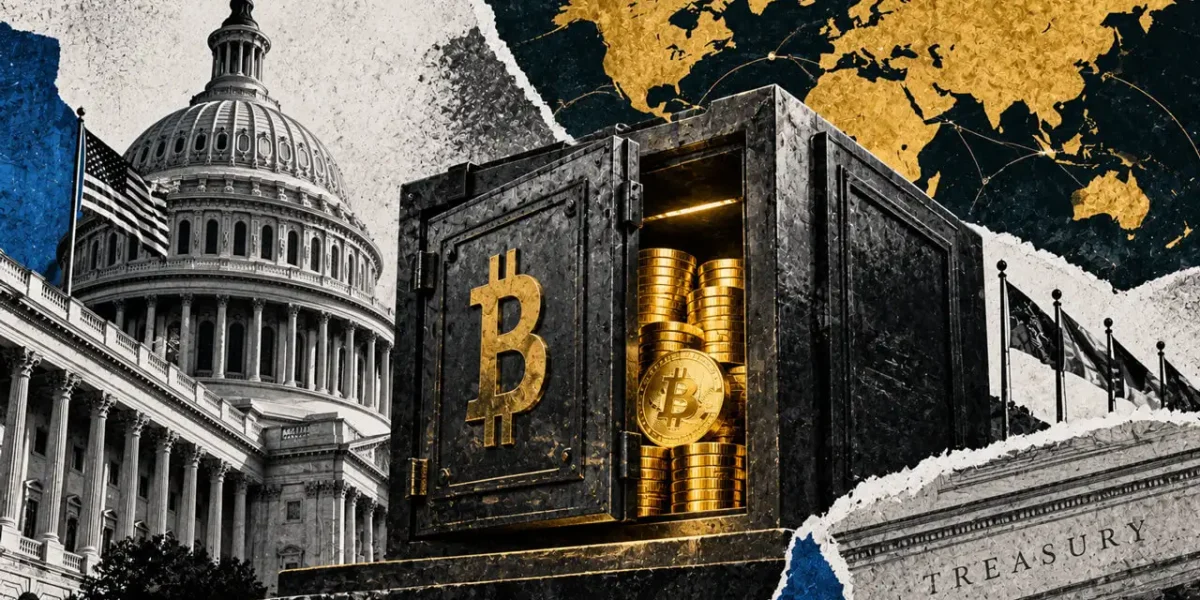
According to data from Arkham, the United States government transferred approximately $470 million worth of seized cryptocurrency to addresses that likely belong to Coinbase Prime, once again sparking discussions regarding potential asset liquidations.
Blockchain intelligence firm Arkham Intelligence reported on Oct. 7 that these blockchain transfers involved Bitcoin, USDT, and wrapped Bitcoin.
The analytics platform connected the moved funds to prior government seizures linked to the Alameda Research trading firm—formerly managed by FTX founder Sam Bankman-Fried—and the 2016 Bitfinex exchange hack.
While it is impossible to definitively state that the Bitcoin is headed for a sale, liquidation remains a distinct possibility. At the same time, it is equally plausible that officials are simply carrying out routine administrative tasks or internal wallet maintenance.
Nevertheless, the specific destination of the funds brings heightened attention to the transaction. This scrutiny follows the Trump administration’s commitment to holding onto Bitcoin allocated for the US Strategic Bitcoin Reserve, alongside earlier federal denials this year regarding rumors that confiscated coins were quietly being sold off.
A previous sale claim ended in a government denial
This recent movement of funds occurs nine months after the US Marshals Service refuted reports suggesting Washington had unloaded Bitcoin acquired from the Samourai Wallet criminal case.
Back in January, Bitcoin Magazine published a report indicating that roughly $6.3 million in Bitcoin surrendered to the Justice Department as part of guilty pleas appeared to have been liquidated. In response, prominent crypto supporter Sen. Cynthia Lummis questioned why officials would sell the asset given President Donald Trump’s directive to preserve Bitcoin for the national reserve.
However, the Marshals Service informed DL News that the BTC had not been sold. The agency noted that any cryptocurrency liquidations must undergo a rigorous multi-tier approval framework before forfeited assets can be officially disposed of.
The sensitivity surrounding these movements intensified after the establishment of the Strategic Bitcoin Reserve in March 2025. An executive order signed by Trump stipulated that any Bitcoin added to the reserve “shall not be sold” and must instead be preserved as a national reserve asset.
At the time, the White House asserted that previous, premature sales of government Bitcoin had stripped taxpayers of over $17 billion in potential value.
Seized Bitcoin does not automatically mean reserve Bitcoin
Even so, the established policy leaves certain exemptions allowing government-managed cryptocurrency to leave federal custody.
Trump’s directive allows for the disposal of digital assets if mandated by law or a court order, or if authorities conclude that the assets—or funds generated from them—ought to be given back to confirmed crime victims, utilized for law enforcement operations, or directed toward other mandatory statutory forfeiture requirements.
Such distinctions could prove vital in understanding these newest transfers.
Back in 2022, authorities confiscated roughly 95,000 Bitcoin from digital wallets managed by Heather Morgan and Ilya Lichtenstein during the investigation into the Bitfinex hack. Lichtenstein subsequently confessed to carrying out the 2016 breach in which roughly 119,754 Bitcoin were stolen. Law enforcement agencies later recovered an additional $475 million or so in assets connected to the crime.
Because those specific assets are subject to competing claims for restitution and forfeiture, their legal handling may diverge from Bitcoin already funneled into the Strategic Bitcoin Reserve.
Similarly, the collapse of FTX triggered criminal forfeiture proceedings, with the presiding judge in Bankman-Fried’s trial granting authorization to use recovered forfeiture funds to reimburse victims—introducing another potential victim-restitution angle to these recent wallet activities.
Consequently, the transactions observed on Wednesday serve as a reminder of the limits of inferring intent purely from government wallet activity.
If Bitcoin allocated to the Strategic Bitcoin Reserve were to be sold outside the parameters outlined in the executive order, it would immediately raise fresh questions about whether federal agencies are adhering to the administration’s accumulation goals. Conversely, transfers executed for custody, victim restitution, or other authorized forfeiture needs would fall under an entirely separate category.
At present, Arkham’s data highlights hundreds of millions of dollars moving out of US government wallets and into addresses likely associated with Coinbase Prime deposit accounts. Whether these funds stay put, are shifted to alternative custody solutions, or get swapped for fiat currency will ultimately dictate whether this event turns out to be another false alarm regarding government Bitcoin sales or the initial indicator of a major new asset disposal.
अक्सर पूछे जाने वाले प्रश्न
- Why did the US government move $470 million in crypto?
According to analytics firm Arkham, the government transferred Bitcoin, wrapped Bitcoin, and USDT to likely Coinbase Prime addresses. While liquidation is a possibility, the funds could also be moving for internal administrative work or wallet hygiene. - Are these funds part of the Strategic Bitcoin Reserve?
Not necessarily. Seized assets linked to high-profile cases like the Bitfinex hack or FTX/Alameda Research often face competing restitution and forfeiture claims, placing them in a different legal category than reserve-designated Bitcoin. -
Can the US government sell its Bitcoin?
While President Trump’s executive order established the Strategic Bitcoin Reserve with a “shall not be sold” policy, exceptions do exist. Assets can be disposed of if required by a court or law, used for law enforcement, or returned to verified crime victims.