
Lido DAO exposes token flaw and forces a budget review
A proposed budget link could pass genuine savings into LDO purchases, while corrected scenarios show why counter resets cannot improve underlying profit.…
Track the latest decentralized finance trends, blockchain analytics, and protocol developments shaping modern digital markets.
A proposed budget link could pass genuine savings into LDO purchases, while corrected scenarios show why counter resets cannot improve underlying profit.…
Sky disclosed over $4.4 billion in stablecoin liquidity within its Peg Stability Module, highlighting how conversion mechanisms and internal reserves operate separately…
Solana's proposed replacement for durable nonces preserves offline-signing approvals after failed transactions while altering custody architecture. The Foundation's deprecation plan introduces onchain…
Aave's proposed USDG rollover allows borrowers to carry stablecoin debt into a new fixed-yield position, though replacement collateral yields fall below most borrowing rates, making leverage and external rewards central…
Certain Aave loans secured by yield-bearing collateral maintained tight liquidation buffers in LlamaRisk snapshots, highlighting cash-flow and exit-delay dilemmas for liquidators.
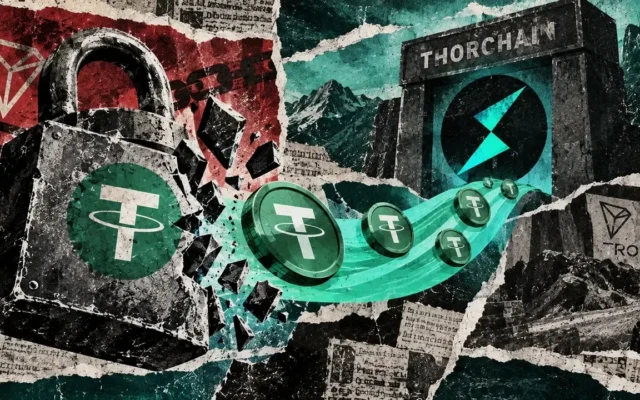
THORChain experienced a temporary halt in its TRON operations after Tether blocklisted four vaults holding approximately 1.45 million USDT. Restrictions were lifted later that day, allowing trading and swaps to…
A Bitquery investigation reveals that the 79thVault token pool on PancakeSwap suffered a $14.35 million USDT drain after internal token permissions bypassed locked liquidity receipts.
Tracked stablecoins on the XRP Ledger reached $1.34 billion, but this figure does not reveal the true extent of activity and inventory required by users relying on the native XRP…
S&P Global introduces the Vault Risk Assessment framework to evaluate $10 billion in crypto lending vaults following a $6 million security incident on the Base network.
Abstract will shut down its consumer-focused Ethereum layer-2 network on December 15, citing stagnant growth, thin liquidity, and heavy financial losses instead of launching a token to save it.