Altcoin spot volume nears 4x Bitcoin’s as ETF inflows shrink across five sessions
अल्टकॉइन स्पॉट वॉल्यूम बिटकॉइन के मुकाबले लगभग चार गुना बढ़ गया क्योंकि खुदरा व्यापारियों ने अल्टकॉइन निवेश को निधि देने के लिए बिटकॉइन को बेच दिया, भले ही अमेरिकी स्पॉट बिटकॉइन ईटीएफ इनफ्लो में लगातार पांच सत्रों की गिरावट का अनुभव हुआ हो।

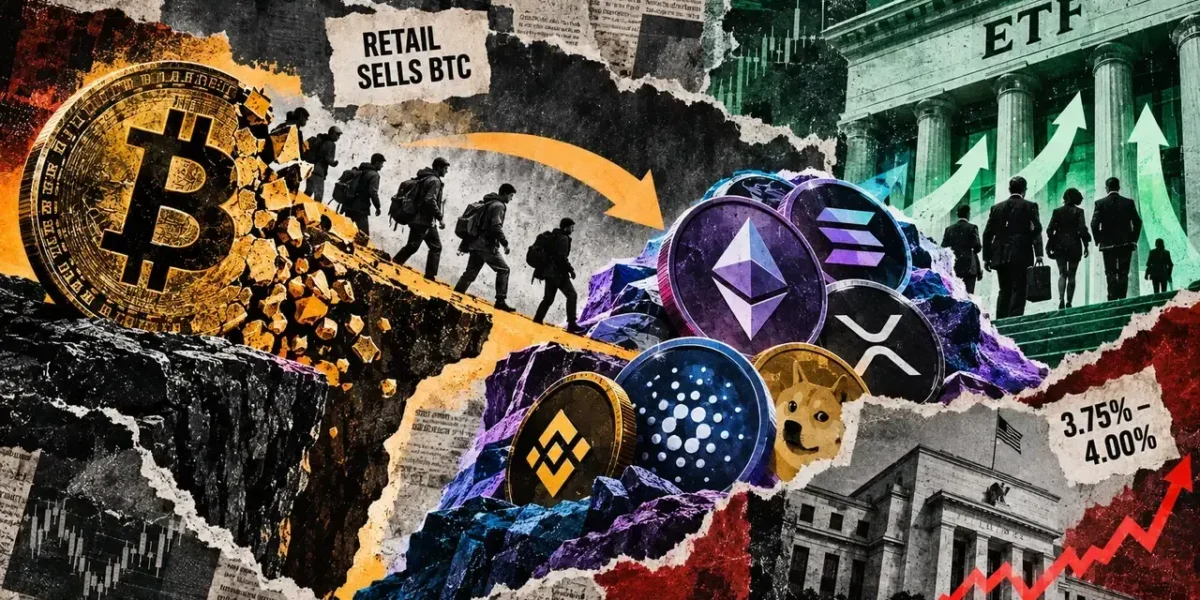
ग्लासनोड (Glassnode) से मिली जानकारी के अनुसार, altcoin हाजिर (spot) वॉल्यूम बढ़कर बिटकॉइन के वॉल्यूम का लगभग चार गुना हो गया है, जो सितंबर 2025 के बाद से इसका सबसे उच्चतम अनुपात है।
मार्केट मेकर विंटरम्यूट (Wintermute) की रिपोर्ट के मुताबिक, उसके ओवर-द-काउंटर (OTC) डेस्क पर खुदरा (retail) ग्राहकों ने इस बदलाव को वित्तपोषित (finance) करने के लिए पिछले हफ्ते बिटकॉइन को बेच दिया था। इस बीच, अमेरिकी हाजिर बिटकॉइन एक्सचेंज-traded फंड्स (ETFs) ने उन्हीं पांच सत्रों (sessions) में लगभग 2.4 अरब डॉलर आकर्षित किए। हालांकि, दैनिक ETF इनफ्लो लगातार कम होता गया, जो 21 सितंबर के 99.9 करोड़ डॉलर से गिरकर 25 सितंबर तक 13.45 करोड़ डॉलर पर आ गया।
बिटकॉइन फंडिंग एसेट है
28 सितंबर की अपनी OTC रिपोर्ट में, विंटरम्यूट ने अपने डेस्क पर शुद्ध बिटकॉइन बिकवाली पर प्रकाश डाला, जो मुख्य रूप से खुदरा व्यापारियों द्वारा मुनाफावसूली करने और पूंजी को altcoins में ट्रांसफर करने के कारण थी।
ग्लासनोड के आंकड़े इस बाहरी मूवमेंट के दायरे को दर्शाते हैं: 23 सितंबर तक ट्रैक किए गए 72.5% altcoins ने बिटकॉइन से बेहतर प्रदर्शन किया, जो अगस्त के मार्केट स्क्वीज़ के दौरान दर्ज किए गए 39% से एक महत्वपूर्ण वृद्धि है।
इसके अलावा, पिछले 30 दिनों में altcoin perpetual open interest में न्यूनतम वृद्धि देखी गई, जिसमें निगरानी किए गए बाजारों में से आधे से भी कम में नए पोजीशन जोड़े गए। इससे ग्लासनोड ने रैली के वर्तमान चरण को मुख्य रूप से स्पॉट-संचालित (spot-driven) बताया।
ग्लासनोड ने उल्लेख किया कि आक्रामक जोखिम लेने की प्रवृत्ति (risk appetite) के पिछले उदाहरण अक्सर स्थानीय बिटकॉइन शिखरों के साथ मेल खाते हैं, और वर्तमान वॉल्यूम अनुपात को एक ऐतिहासिक चेतावनी संकेतक के रूप में देखा जा रहा है।
विंटरम्यूट ने देखा कि बाजार का दायरा चरम सीमा तक पहुंच गया है जहां तुलनीय ऐतिहासिक परिदृश्यों में 80% से अधिक मामलों में, बाद के हफ्तों में फ्लैट या नकारात्मक रिटर्न मिले (प्रारंभिक-चक्र की अवधि को छोड़कर)। फर्म का सुझाव है कि नई संपत्ति को पुनर्जीवित करने के लिए बिटकॉइन को ऊपर जाने की आवश्यकता है जो बाद में altcoin चक्र में प्रवाहित हो सके।
चूंकि बिटकॉइन लाभ उत्पन्न करता है, इसलिए व्यापारी उन लाभों का एक हिस्सा भुनाते हैं और बाहर की ओर पुनरावंटित करते हैं। वैकल्पिक खरीदार वितरित सिक्कों को अवशोषित करते हैं, तो यह गतिशीलता बढ़ती बिटकॉइन कीमतों के साथ सह-अस्तित्व में रह सकती है।
| सिग्नल | वर्तमान रीडिंग | यह क्या कहता है |
|---|---|---|
| Altcoin/BTC स्पॉट वॉल्यूम | लगभग 4 गुना | ट्रेडिंग गतिविधि तेजी से altcoins की ओर बढ़ी है |
| BTC से बेहतर प्रदर्शन करने वाले Alts | 72.5% | रोटेशन व्यापक है बजाय कुछ चुनिंदा टोकन तक सीमित रहने के |
| अगस्त की तुलना | 39% | अगस्त के स्क्वीज़ से दायरा लगभग दोगुना हो गया है |
| Altcoin perp पोजीशनिंग | आधे से भी कम ने पोजीशन जोड़े | नवीनतम चरण लीवरेज-संचालित की तुलना में अधिक स्पॉट-संचालित प्रतीत होता है |
| ऐतिहासिक व्यापकता संकेत | तुलनीय मामलों के >80% में बाद में फ्लैट/नकारात्मक | रोटेशन फैला हुआ है, लेकिन कोई निश्चित टॉप सिग्नल नहीं है |
बिकवाली को कौन अवशोषित कर रहा है
फारसाइड इन्वेस्टर्स (Farside Investors) के आंकड़े बताते हैं कि अमेरिकी हाजिर बिटकॉइन ETF में 21 सितंबर को 99.9 करोड़ डॉलर, 22 सितंबर को 71.47 करोड़ डॉलर, 23 सितंबर को 34.69 करोड़ डॉलर, 24 सितंबर को 19.07 करोड़ डॉलर और 25 सितंबर को 13.45 करोड़ डॉलर का इनफ्लो हुआ।
इन पांच सत्रों के लिए संचयी कुल (cumulative total) लगभग 2.4 अरब डॉलर तक पहुंच जाता है, जो प्रति दिन औसतन लगभग 4.77 करोड़ डॉलर है। 25 सितंबर का इनटेक 21 सितंबर के शिखर से 86.5% की गिरावट दर्शाता है। ग्लासनोड अपने रोलिंग साप्ताहिक मीट्रिक को लगभग 2.7 अरब डॉलर पर रखता है, जो लगभग एक साल में सबसे बड़ा इनफ्लो है।
इन इनफ्लो के बावजूद, ग्लासनोड की 28 सितंबर की रिपोर्ट से पता चलता है कि बिटकॉइन स्पॉट संचयी वॉल्यूम डेल्टा 86.5% गिरकर 1.73 करोड़ डॉलर हो गया, perpetual futures डेल्टा नकारात्मक 26.15 करोड़ डॉलर दर्ज किया गया, और futures open interest 38.9 अरब डॉलर पर स्थिर रहा।
इसके अलावा, लाभ में बैठे सप्लाई का अनुपात पिछले सप्ताह के 69.3% से बढ़कर 74% हो गया, जबकि वास्तविक लाभ-से-नुकसान अनुपात (realized profit-to-loss ratio) 79.6% उछलकर 1.4 हो गया। मुनाफा कमाने वाले और perpetual बिकवाल सक्रिय रहे जबकि ETF खरीदारों ने काउंटर-पार्टी दबाव को अवशोषित किया।
समान पांच-दिवसीय विंडो के दौरान, एथेरियम (Ethereum) ETFs ने 60.28 करोड़ डॉलर हासिल किए, जिसका अर्थ है कि संयुक्त BTC और ETH ETF इनफ्लो का लगभग 80% बिटकॉइन निवेश वाहनों द्वारा कैप्चर किया गया।
विनियमित पूंजी (Regulated capital) डिजिटल संपत्ति स्पेस में तैनात हो रही है, जबकि जोखिम वक्र के शीर्ष पर भारी रूप से केंद्रित है, भले ही चुनिंदा खुदरा प्रतिभागी आगे बढ़ रहे हों।
| दिनांक | BTC ETF शुद्ध इनफ्लो | पिछली बैठक बनाम परिवर्तन |
|---|---|---|
| 21 सितंबर | $999.0M | — |
| 22 सितंबर | $714.7M | -28.5% |
| 23 सितंबर | $346.9M | -51.5% |
| 24 सितर्ब | $190.7M | -45.0% |
| 25 सितर्ब | $134.5M | -29.5% |
| 5 दिन का कुल योग | $2.386B | |
| दैनिक औसत | $477M |
बिटकॉइन के ट्रेडिंग वॉल्यूम से चार गुना अधिक टर्नओवर
CryptoQuant के योगदानकर्ता Darkfost के अनुमान के अनुसार, जून के बाद से बिटकॉइन को छोड़कर altcoin बाज़ार में लगभग $371 बिलियन यानी 45% की वृद्धि हुई है।
Darkfost ने यह भी बताया कि Binance पर सूचीबद्ध 87% altcoin अपने 200-दिन के मूविंग एवरेज से ऊपर ट्रेड कर रहे हैं, जो अगस्त में लगभग 20% था। ट्रेडिंग या निकासी के लिए रखे गए स्टॉक का संकेतक—altcoin के एक्सचेंज डिपॉजिट—अक्टूबर 2025 के बाद से अपने उच्चतम स्तर पर पहुंच गए हैं।
साप्ताहिक औसत Binance पर 22,700 से अधिक, Coinbase पर 8,300 और अन्य प्लेटफॉर्मों पर 32,000 डिपॉजिट ट्रांजैक्शन से अधिक है। ये आंकड़े पिछले बुल मार्केट के दौरान देखे गए शुरुआती चक्र के स्तरों से नीचे बने हुए हैं।
DefiLlama के डेटा के अनुसार स्टेबलकॉइन मार्केट कैपिटलाइज़ेशन लगभग $306.4 बिलियन है, जो 30 दिनों में 0.89% की वृद्धि को दर्शाता है। चूंकि यह अवधि जून के बाद से देखे गए 45% altcoin मूल्य वृद्धि से अलग है, इसलिए यह रुझान मुख्य रूप से मौजूदा धारकों के बीच रोटेशन से प्रेरित मूल्य निर्धारण का सुझाव देता है, जिसमें नई स्टेबलकॉइन तरलता (liquidity) की भूमिका गौण है।
दरें रिप्लेसमेंट बिड का मूल्य बढ़ाती हैं
फेडरल रिजर्व ने 16 सितंबर को अपने बेंचमार्क ब्याज दर के लक्ष्य को 3.75% से 4.00% की सीमा तक समायोजित किया। 25 सितंबर को 10-वर्षीय ट्रेजरी यील्ड लगभग 5.23% पर पहुंच गई - जो 2007 के बाद से इसका उच्चतम स्तर है - जबकि ब्रेंट क्रूड 28 सितंबर को $107 से ऊपर चढ़ गया।
Wintermute ने वर्तमान बाज़ार संरचना के सामने तेल की कीमतों, ब्याज दरों और फेडरल रिजर्व द्वारा अतिरिक्त दरों में बढ़ोतरी की संभावना को प्रमुख व्यापक आर्थिक जोखिमों के रूप में उजागर किया। Altcoin सट्टेबाजी ठीक ऐसे समय में तेज़ हो रही है जब दीर्घकालिक यील्ड कई दशकों के उच्च स्तर पर हैं, जिससे क्रिप्टो बाज़ार को बिटकॉइन की बाहरी मांग पर अत्यधिक निर्भर होना पड़ रहा है।
Wintermute ने $82,500 को उस सीमा के रूप में पहचाना है जिसने पहले बिटकॉइन की कीमत के दायरे को सीमित किया था। यदि बिटकॉइन $82,500 और अपने हालिया लगभग $87,000 के उच्च स्तर के बीच के क्षेत्र को बनाए रखता है, और यदि पिछले सप्ताह के $477 मिलियन के दैनिक औसत से नीचे भी ETF में इनफ्लो बना रहता है, तो ट्रेडर्स मौलिक फंडिंग संपत्ति को बाधित किए बिना बिटकॉइन के मुनाफे को altcoins में रोटेट करना जारी रख सकते हैं।
बुनियादी तौर पर $87,000 से ऊपर का ब्रेकआउट मुनाफे का एक नया पूल तैयार करेगा, और Wintermute का सुझाव है कि किसी भी आगे की ऊपर की गति के साथ बिटकॉइन का प्रभुत्व (dominance) भी बढ़ना आवश्यक हो सकता है। Glassnode $95,000 और $97,000 के बीच अगले प्रमुख प्रतिरोध क्लस्टर को चिह्नित करता है।
इसके विपरीत, यदि ETF इनफ्लो शून्य की ओर कम होने के साथ बिटकॉइन $82,500 से नीचे गिर जाता है, तो बिटकॉइन विक्रेताओं की जगह लेने वाले खरीदार ठीक उसी समय कमज़ोर हो जाएंगे जब सट्टेबाजी की पूंजी जोखिम स्पेक्ट्रम पर सबसे दूर बैठी होगी। कम तरलता वाले उच्च-बीटा altcoin पर इसका सबसे बड़ा प्रभाव पड़ेगा, जबकि एक्सचेंज डिपॉजिट मेट्रिक्स से पता चलेगा कि संचित इन्वेंट्री आक्रामक बिकवाली में बदलती है या नहीं।
| BTC शासन | ETF सिग्नल | रोटेशन का क्या होता है |
|---|---|---|
| $87K से ऊपर | इनफ्लो मजबूत बने रहते हैं/फिर से तेजी पकड़ते हैं | BTC मुनाफे का एक नया पूल बनाता है; altcoins को बाद में एक और रोटेशन मिल सकता है |
| $82.5K–$87K | सकारात्मक, लगभग ~$477M/दिन से भी नीचे | निरंतर BTC-से-altcoin लाभ पुनर्चक्रण के लिए सबसे अनुकूल वातावरण |
| $82.5K से नीचे | इनफ्लो शून्य की ओर फीका पड़ जाता है | रिप्लेसमेंट खरीदार कमजोर हो जाता है जबकि पूंजी पहले से ही जोखिम वक्र पर और आगे होती है |
| ~$77K से नीचे | विशेष रूप से खतरनाक अगर ETF नकारात्मक हो जाते हैं | व्यापक रिकवरी संरचना सवालों के घेरे में आ जाती है; उच्च-बीटा altcoin सबसे अधिक उजागर हो जाते हैं |
| $95K–$97K | नई मांग की आवश्यकता है | Glassnode का अगला प्रमुख BTC प्रतिरोध क्षेत्र |
Glassnode के गणना किए गए True Market Mean $77,000 से नीचे की गिरावट व्यापक रिकवरी संरचना को सवालों के घेरे में डाल देगी।
जबकि वॉल्यूम, बाज़ार की चौड़ाई और डेस्क गतिविधि सभी altcoins में चल रहे रोटेशन की पुष्टि करते हैं, अंतर्निहित फंडिंग श्रृंखला अभी भी सिद्ध होनी बाकी है। आगामी ETF सत्र यह तय करेंगे कि रैली को वित्तपोषित करने के लिए बेचे जा रहे बिटकॉइन की जगह लेने के लिए नए खरीदार आगे आते हैं या नहीं।
अक्सर पूछे जाने वाले प्रश्न
01बिटकॉइन के मुकाबले altcoin स्पॉट वॉल्यूम का लगभग 4 गुना तक पहुंच जाने का क्या मतलब है?
यह इंगित करता है कि ट्रेडिंग गतिविधि सितंबर 2025 के बाद से न देखे गए अनुपात तक पहुँचते हुए, बिटकॉइन के मुकाबले काफी हद तक altcoins की ओर स्थानांतरित हो गई है।
02क्या खुदरा निवेशक (रिटेल इन्वेस्टर्स) altcoin रोटेशन को बढ़ावा दे रहे हैं?
हाँ, Wintermute की रिपोर्ट से पता चलता है कि इसके OTC डेस्क पर खुदरा ग्राहकों ने बाजार के विस्तार के साथ altcoins में पोजीशन को वित्तपोषित (फाइनेंस) करने के लिए बिटकॉइन बेचा है।
03हाल ही में अमेरिकी हाजिर (स्पॉट) बिटकॉइन ईटीएफ का प्रदर्शन कैसा रहा है?
अमेरिकी स्पॉट बिटकॉइन ईटीएफ ने पांच-सत्र की अवधि में लगभग 2.4 बिलियन डॉलर जुटाए, हालांकि दैनिक इनफ्लो 21 सितंबर को 999 मिलियन डॉलर से लगातार घटकर 25 सितंबर को 134.5 मिलियन डॉलर रह गया।